

FieldCraft logo
FieldCraft Digital Studio
Methodology v.2026

The Engineering of Interactive Intent.

At FieldCraft, we view application development as a biological process: iterative, resilient, and deeply rooted in environmental feedback. Move from conceptual sketches to high-performance deployments through our structured, sage-colored lens.

Concept initiation

Architecture of Honesty

Every design choice is a compromise. We don't hide our trade-offs; we document them as part of our commitment to robustness. FieldCraft apps prioritize stability and tactical feedback over superficial visual fluff that drains battery life and degrades latency.

Decision Framework
  • 01

    High-Fidelity Textures

    Sacrificed for thermal stability. We optimize for consistent 60fps on mid-range German hardware by using intelligent LOD (Level of Detail) systems.

  • 02

    Complex UI Branching

    Sacrificed for one-handed playability. Every mission-critical action must be reachable within two thumb-taps.

  • 03

    Cloud-Native Processing

    Mitigated via aggressive local caching. Essential gameplay must remain functional even in low-bandwidth rural zones.

UI Implementation

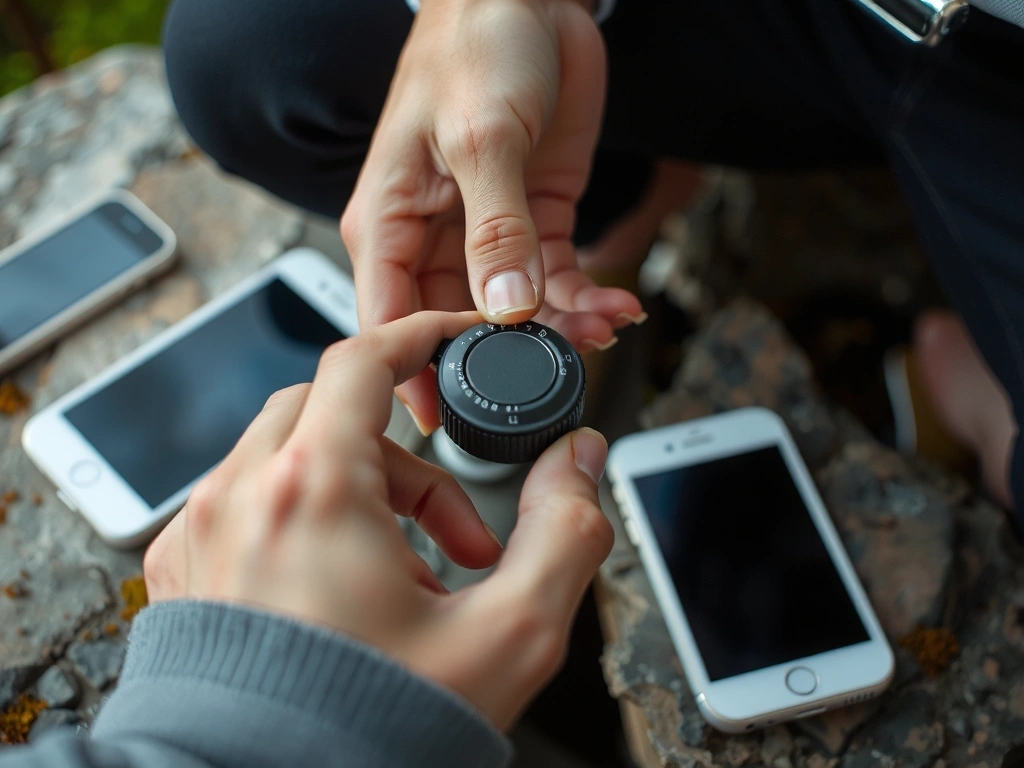
Fig. 2.1 — One-Handed Ergonomics Test

Method Note

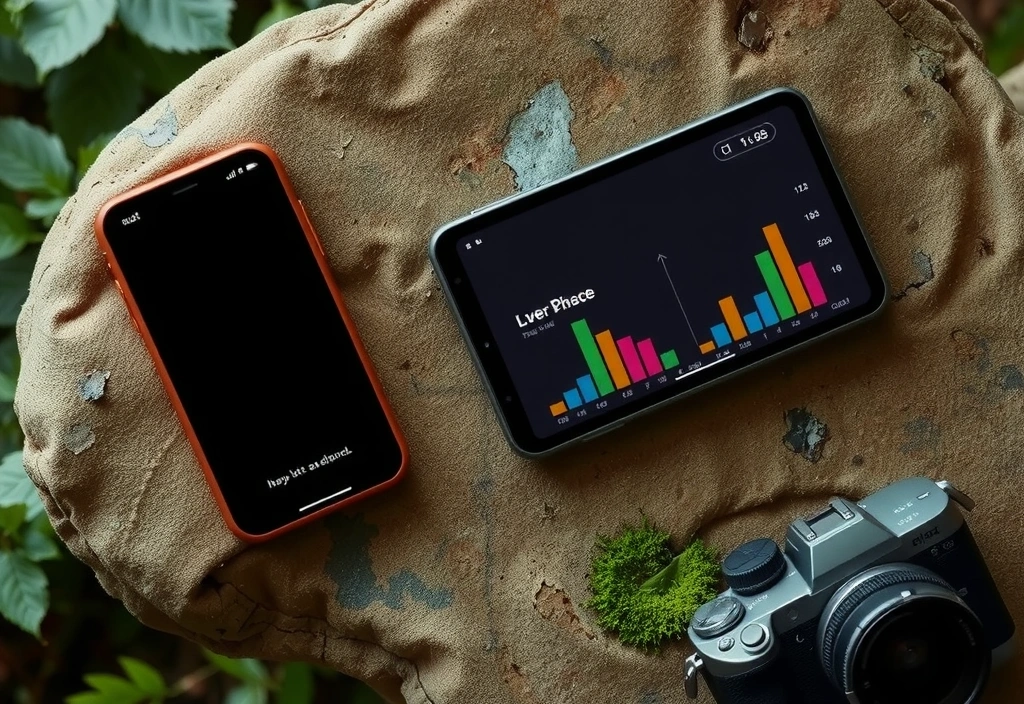
We evaluate robustness through 'Static Load Stressing.' Instead of hypothetical benchmarks, we run our apps on five-year-old hardware in 30°C environments to measure the exact moment of thermal throttling and UI drop-frames.

STABILITY RATIO: 99.84%

The Build Cycle

Core Logic
PHASE: LOGIC_CORE

Paper-to-Prototype

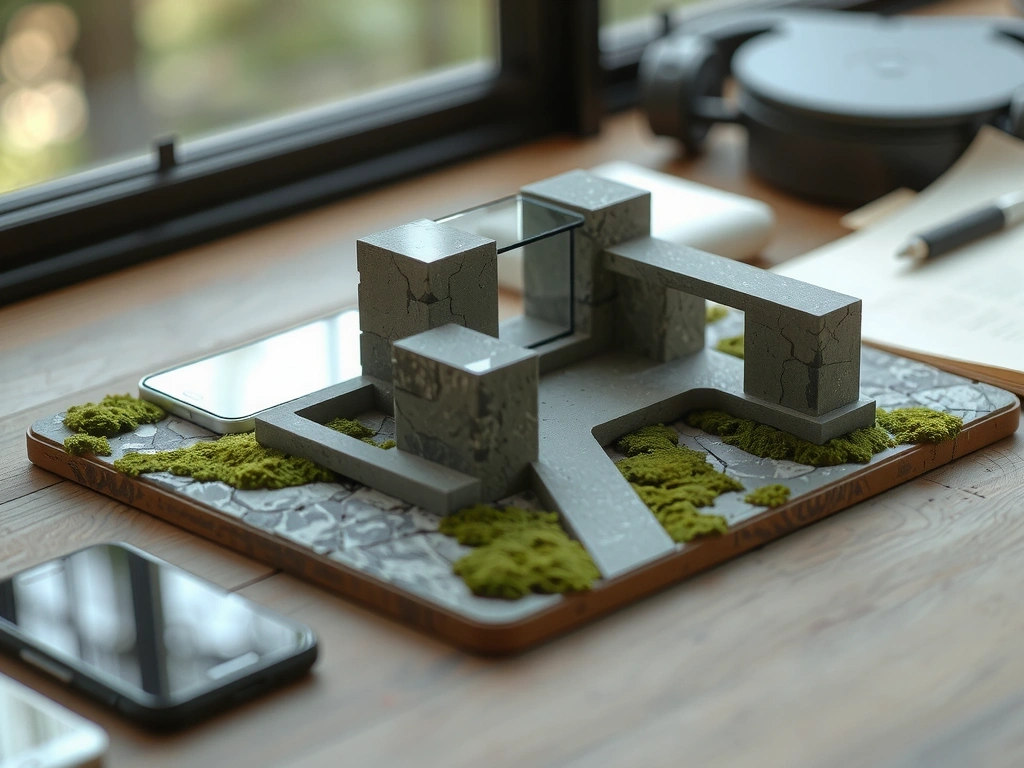
FieldCraft's process begins on whiteboards. We strip away the graphics and focus on the "Game Loop Essence." If the mechanic isn't compelling as a card-based board game, it won't make it to Code. This eliminates bloated features early, saving months of wasted production.
Vertical Slice
PHASE: VERTICAL_SLICE

The Vertical Slice

We don't build horizontally. We build a single, perfectly polished 10-minute segment of the app. This stress-tests our technical architecture, art pipeline, and haptic feedback loops in one integrated environment before scaling up.

Iteration
PHASE: PLAYER_FEEDBACK

Environmental Narrative

Rather than cutscenes, we weave story and instructions into the world-building. Narrative design happens in parallel with level design, ensuring that every asset on screen has a functional or emotional purpose for the user.

Launch
PHASE: GOLD_MASTER

Rigorous Compliance

The 'Gold Master' isn't just a code-base; it's a verified asset that has passed GDPR compliance, platform-specific hardware checks, and German market localization standards. We build for the meticulous user.

Navigating the Friction

Process isn't just about what to do; it's about what we refuse to do. We've identified critical failure modes in interactive development that lead to "Feature Rot."

Failure Mode 01

The Latency Trap

Prioritizing cosmetic animations over trigger-response. When a user taps, the physical world must react within 16ms or the immersion breaks.

Correction

"We decouple visual logic from input handling, ensuring the 'ping' is always instant regardless of CPU load."

Failure Mode 02

Contextual Drift

Designing for a desktop screen when the app is intended for outdoor use. Glare and varying light conditions often kill usability.

Correction

"Mandatory high-contrast visual modes and 1:1 scale testing in direct sunlight."

Failure Mode 03

Feature Bloat

Adding "just one more" mechanic that dilutes the core experience and complicates the onboarding process.

Correction

"Every new feature requires a 'One-In, One-Out' audit against our Core Pillars document."

The Workflow in Practice

1

A performance QA engineer identifies a 150ms delay in menu opening on budget-tier devices during a rural field test.

2

Instead of increasing hardware requirements, the design team replaces the complex 3D blur effect with a high-contrast 2D geometric overlay.

3

Latence drops to 12ms. Battery consumption decreases by 8% per session. The core game loop remains untouched, but the experience becomes 'Field-Ready'.

Workflow Visualization
REF: FC_PROC_042 STATUS: REFINED
Ready to start?

Let's build with precision.

Our process is open for collaboration. We partner with visionaries who value documentation, stability, and the pursuit of digital craft.

Location Berlin, Germany
Code Standard ISO/IEC 25010
Response Time < 24 Hours
Current Sprint Application Polish